To Buy Clindamycin Online Visit Our Pharmacy ↓
 Topical Clindamycin for Acne: Benefits and Risks
How Topical Clindamycin Kills Acne-causing Bacteria
A morning routine sometimes starts with uncertainty: a fingertip of gel applied to a stubborn blemish. The medication works locally, penetrating blocked pores and binding to bacterial ribosomes, halting protein production. This weakens the microbes and reduces their ability to multiply, giving the immune system a chance to clear infection.
Clinically, inflammation eases as bacterial load falls; fewer pustules and red papules appear over weeks. Patients often notice smoother texture and less tenderness, though visible improvement can lag behind microbiological changes.
Because it targets bacteria specifically, surrounding skin is usually spared major disruption, but effectiveness depends on correct application and continued use as prescribed.
| Mechanism | Onset |
|---|---|
| Binds bacterial ribosomes, halting protein synthesis | Reduction in colony counts: days to weeks |
| Decreases toxin production and growth | Visible improvement usually within several weeks |
| Apply to clean skin once daily | Use with benzoyl peroxide |
Clinical Benefits: Reduced Inflammation and Lesion Counts
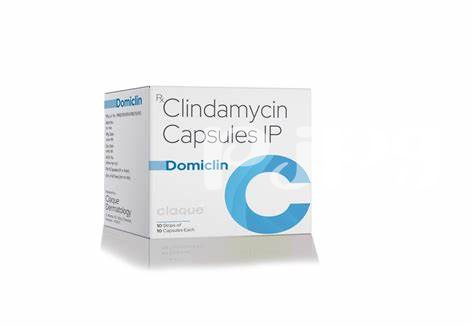
For many patients, clindamycin brings quick, visible relief, calming angry red bumps and shrinking pustules. Its targeted antibacterial effect reduces Propionibacterium acnes levels and suppresses inflammatory mediators, so lesions become fewer and less painful over weeks.
Randomized trials and real‑world use document meaningful drops in inflammatory lesion counts and redness, with most improvement seen within 2 to 8 weeks. Optimal outcomes occur when clindamycin is integrated into a comprehensive regimen and monitored by a clinician to balance efficacy and minimize resistance or irritation. Expect gradual, steady improvement and discuss expectations.
Common Side Effects and Skin Irritation Risks
Early use often brings mild redness, dryness, and flaky skin. Expect improvement but not immediate clearing.
Some patients report burning or stinging, especially after application to sensitive areas. Contact irritation often eases within days.
Allergic reactions are rare but serious—watch for swelling, intense itching, or widespread rash and stop clindamycin if they appear. Discuss alternatives if sensitivity persists.
To reduce irritation, use sparingly, follow dosing, moisturize, and report persistent pain or infection to your clinician promptly. Balancing efficacy with comfort enhances adherence and long-term outcomes. Keep communications open. Stay vigilant.
Antibiotic Resistance: What Patients Need to Know
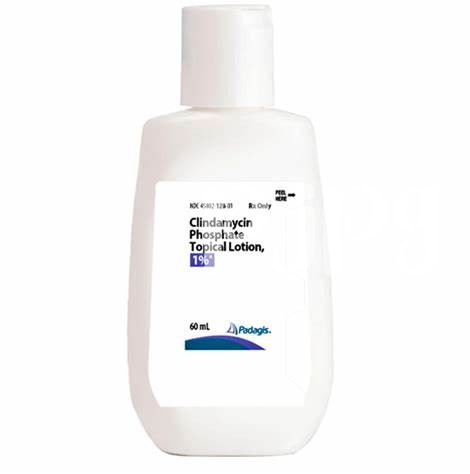
Imagine bacteria learning to shrug off treatment; overuse of topical clindamycin can encourage resistant strains, making future infections harder to treat and reducing effective options for acne and broader health.
Clinicians balance benefits against resistance risk by limiting duration and combining therapies; short courses reduce selection pressure. Community-level spread of resistant organisms can undermine antibiotics used for other serious infections.
Patients should follow prescriptions, finish courses only as directed, and report poor response. Discuss alternatives like retinoids or benzoyl peroxide to minimize antibiotic reliance and preserve long-term treatment options safely.
Best Combinations: Pairing Clindamycin with Other Treatments
Think of treating acne as teamwork; topical clindamycin acts like a targeted ally, cutting bacterial loads and easing inflammation. Pairing it wisely multiplies effects, turning single-agent modest gains into meaningful improvement without adding unnecessary complexity.
A common duet is clindamycin with topical benzoyl peroxide: peroxide reduces surface bacteria and resistance risk, while clindamycin soothes deeper lesions. Together they shorten time to benefit and lower inflammatory counts more than either alone.
For comedonal acne, combining clindamycin with topical retinoids clears plugs and promotes cell turnover; retinoids open follicles, letting antibacterial agents reach targets. Expect gradual improvement and use gentle moisturizers to reduce irritation during early weeks.
Oral antibiotics are reserved for severe cases; topical combinations often suffice and minimize systemic exposure. Always consult a clinician about interactions, pregnancy, and tailored regimens. Adherence and sunscreen use improve outcomes with combined topical therapies.
| Combination | Primary Benefit |
|---|---|
| Clindamycin + Benzoyl Peroxide | Reduced bacteria and resistance risk |
| Clindamycin + Topical Retinoid | Improved follicle clearing and turnover |
Practical Tips: Safe Use, Dosing, and Adherence
Start with clean, dry skin and apply a thin layer once or twice daily as your clinician advises. Avoid eyes and open wounds; use only the prescribed amount. If irritation occurs, reduce frequency or pause and consult your provider—don’t try to overcorrect acne by increasing dose.
Stick to the treatment schedule, store tubes at room temperature, and complete the recommended course even after improvement. Pairing clindamycin with benzoyl peroxide or retinoids improves effectiveness and lowers resistance risk. Report persistent redness, swelling, or diarrhea to your clinician promptly for urgent reassessment.