To Buy Clomid Online Visit Our Pharmacy ↓
 Clomid Vs Letrozole: Fertility Drug Comparison
How Each Drug Stimulates Ovulation Differently
When a couple sits in a clinic hopeful for a miracle, doctors often choose between two different prompts. Clomiphene acts like a loud talker at the hypothalamus: it blocks estrogen receptors there so the brain senses low estrogen and raises gonadotropin release, nudging the ovary to mature follicles. Letrozole takes a subtler route, inhibiting aromatase so less estrogen is made, leading the pituitary to release FSH and encouraging follicle growth.
Those different routes matter clinically: clomiphene’s receptor blockade can thin the uterine lining and persist for cycles, sometimes compromising implantation, while letrozole’s short lived lowering of estrogen avoids much of that anti‑estrogenic fallout. Letrozole often yields monofollicular development and fewer multiple pregnancies, and may work better for women with polycystic ovary syndrome. Choice depends on past response, endometrial health and pregnancy history, not just a headline comparison for many women.
| Aspect | Clomiphene | Letrozole |
|---|---|---|
| Primary action | Estrogen receptor antagonist at hypothalamus | Aromatase inhibitor reducing estrogen synthesis |
| Endometrial effect | May thin lining (anti‑estrogenic) | Less anti‑estrogenic impact |
| Follicle response | Often multiple follicles | Often monofollicular |
Side Effects and Safety Profiles Compared Clearly
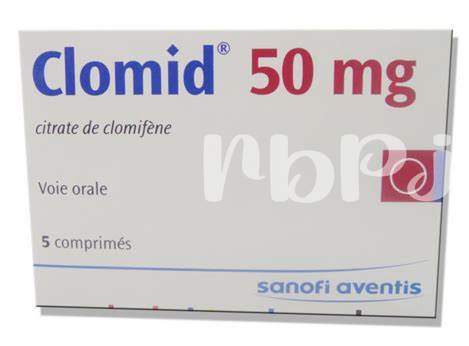
When considering fertility medications, patients often trade uncertainty for clear risks. Clomid commonly causes hot flashes, mood swings and ovarian enlargement; these are typically transient but monitored. Letrozole’s profile leans toward fatigue and arthralgia, with lower rates of cervical mucus thinning.
Safety considerations include rare but serious ovarian hyperstimulation and multiple pregnancy risks, more associated historically with clomid protocols. Both drugs require liver and lipid monitoring in specific patients; individualized assessment reduces complications and guides informed consent.
Clinicians balance efficacy and tolerability by discussing side effect timelines, mitigation strategies like dose adjustments, and long-term data. Patients respond better when expectations are clear, empowering choices about which medication best aligns with their health priorities and values.
Clinical Effectiveness and Pregnancy Rates Reviewed
Randomized studies show letrozole often yields higher live birth rates for certain populations, sparking debates and hopeful anticipation among couples. Real-world registries also inform long-term outcomes.
Comparatively, clomid has a long track record with solid ovulation rates but slightly lower pregnancy outcomes in some trials.
Meta-analyses combine trial data to reveal subgroup benefits: letrozole excels in PCOS, while clomid remains useful for unexplained infertility.
Clinicians weigh efficacy, side effects and patient preference when choosing therapy, tailoring treatment to maximize chances of pregnancy per cycle. Shared decision-making increases adherence and satisfaction.
Dosing Protocols Monitoring and Cycle Management

Clinicians tailor starting doses based on history and ovarian reserve, often beginning with a low dose to assess response and adjust quickly.
Transvaginal scans and blood tests guide timing; endometrial thickness and follicle growth determine when to trigger ovulation and prevent multiple pregnancy risks.
clomid often uses a five-day regimen early in the cycle; response is checked to decide continuation or switch to alternatives for safety reasons.
Clear counseling covers timing of intercourse, tracking ovulation, side effect awareness and follow-up plans to optimize outcomes and manage expectations throughout treatment cycles.
Who Benefits Most Patient Profiles and Predictors
A hopeful couple often finds answers in tailored choices; age, ovarian reserve and prior cycle response shape which medication suits best.
clomid tends to help younger women with normal reserve or those with PCOS who ovulate sporadically, while letrozole often outperforms in cases with insulin resistance or unexplained infertility; ultrasound and AMH guide selection.
Predictors like BMI, antral follicle count, and prior treatment outcomes steer clinicians; shared decision-making balances success chances, side effects, and patient preference for the journey ahead. Genetic testing or endocrine workup refines prognosis in select cases.
Cost Accessibility and Real World Patient Experience
Many patients report a bewildering contrast between sticker shock and hope: one pill often costs pennies while another, initially more expensive name-brand option, becomes affordable when prescribed generically. Out-of-pocket expenses hinge on insurance, pharmacy choices, and required ultrasounds or bloodwork. Rural couples describe longer commutes and added lodging costs for monitoring visits, while urban patients trade convenience for higher clinic fees.
Beyond dollars, real-life accounts highlight emotional costs—missed work, childcare, and the strain of waiting for a positive test. Many appreciate simpler regimens with fewer injections and less monitoring; others prioritize protocols with higher success rates despite extra cost. Transparent counseling about fees and expected visits often eases financial and psychological burdens and community resources.