To Buy Elavil Online Visit Our Pharmacy ↓
 Elavil Interactions to Watch for — Alcohol, Maois, Other Drugs
Alcohol and Amitriptyline: Risks Worth Knowing
I once watched a friend nod off after a single drink while on amitriptyline; the scene made the danger real. Mixing alcohol magnifies drowsiness and blunts reflexes, turning ordinary tasks risky.
Combining the two raises risk of slowed breathing, impaired coordination, and dangerous falls. Even moderate amounts can worsen confusion or precipitate accidental overdose.
Alcohol also alters mood and may reduce antidepressant effectiveness while increasing side effects like dry mouth, blurred vision, and abnormal heart rhythms. Talk with your prescriber before drinking.
| Risk | Advice |
|---|---|
| Breathing depression | Avoid alcohol; seek help |
Dangerous Pairing: Maois and Amitriptyline Interactions
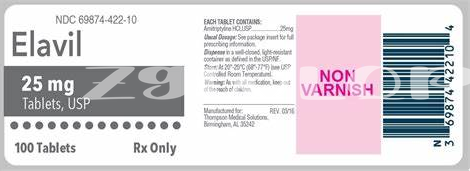
Imagine a patient relieved by an old antidepressant, then learning a new drug threatens everything; combining certain medications can trigger severe, unpredictable reactions that demand immediate medical attention and caution.
Specifically, taking elavil after a monoamine oxidase inhibitor or vice versa risks hypertensive crisis, hyperthermia, and neuromuscular instability. Proper washout periods are essential; never overlap treatments without medical supervision whatsoever.
Clinicians map safe timelines, often spacing drugs by weeks. Patients should keep an up-to-date medication list, ask pharmacists about interactions, and seek urgent care if alarming symptoms like severe headache occur.
Serotonin Syndrome: Combining Serotonergic Medications with Elavil
Imagine waking in the middle of the night feeling restless, sweaty, and confused; that alarming mix could signal a dangerous excess of serotonin. When elavil is combined with other serotonergic drugs, such as SSRIs, SNRIs, triptans, or certain opioids, the risk rises. Early recognition matters.
Watch for a constellation of symptoms: agitation, tremor, hyperreflexia, high fever, rapid heart rate, dilated pupils, and gastrointestinal upset. Symptoms may appear hours to days after adding or increasing a drug. If you suspect serotonin excess, stop the offending medicines and seek urgent medical attention; treatment may require hospitalization and supportive care.
Preventing trouble means reviewing all prescriptions, over-the-counter remedies, and supplements with your clinician or pharmacist. Dose adjustments, washout periods, or choosing nonserotonergic alternatives can reduce danger. Keep an updated medication list and communicate changes promptly to avoid life-threatening interactions and follow instructions closely.
Heart Effects: Qt Prolongation and Cardiac Risks
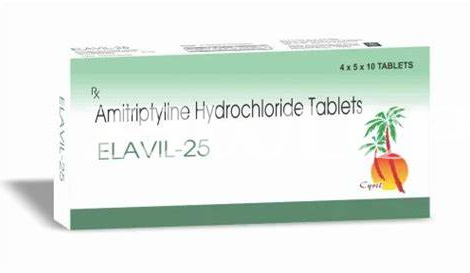
A quiet evening when someone takes elavil with another medication can shift from routine to risky: tricyclics affect heart rhythm by slowing electrical conduction and can lengthen the QT interval. Clinically this means palpitations, fainting, or in severe cases torsades de pointes and sudden cardiac arrest.
Risk grows when other QT‑prolonging drugs, certain antipsychotics, or electrolyte disturbances like low potassium combine with amitriptyline, amplifying repolarization delays. Older adults and people with preexisting heart disease face higher odds.
Monitoring with ECGs, adjusting doses, and avoiding dangerous combinations lets patients and clinicians balance benefit and risk; discuss all medicines, supplements, and alcohol to help prevent life‑threatening arrhythmias. If you have dizziness, chest pain, or unexplained shortness of breath seek immediate care — these can signal dangerous conduction problems that warrant urgent ECG and medication review to prevent complications and hospital observation as needed.
Cns Depression: Sedation from Multiple Depressants Combined
Mixing elavil with alcohol or other sedatives can feel like a slow-motion dimming of awareness. Patients often describe heavy sleepiness, slowed breathing, and difficulty concentrating. Those effects are additive: each depressant stacks on the next, increasing fall risk, impaired driving, and dangerous respiratory suppression.
Clinicians should ask about use of benzodiazepines, opioids, antihistamines, and sleep aids; even small doses combined with tricyclics magnify sedation. Elderly people and those with lung disease are especially vulnerable. Watch for shallow breathing, slow heart rate, or unresponsiveness and seek immediate care.
To reduce risk, avoid simultaneous use, taper medications under medical supervision, and use the lowest effective doses. Educate family members to recognize signs of overdose. In emergencies, responders consider naloxone if opioids are involved, and monitoring in hospital may include airway support, oxygen, and careful cardiac observation. Always consult your prescribing clinician promptly.
| Risk | Action |
|---|---|
| Severe sedation | Call emergency services |
Drug Metabolism: Cyp Interactions Alter Amitriptyline Levels
Imagine a traffic jam in the liver where enzymes either slow or speed amitriptyline’s journey. CYP2D6 and CYP2C19 act like toll booths: inhibitors such as fluoxetine, paroxetine, cimetidine, and ritonavir block clearance and raise blood levels, increasing side effects and cardiac risk.
Conversely, inducers like carbamazepine, phenytoin, and rifampin accelerate metabolism, lowering concentrations and possibly reducing efficacy. Genetic differences in CYP enzymes also alter responses — some patients are poor metabolizers and accumulate drug without interacting medications.
Clinicians should anticipate interactions, consider dose adjustment, or use therapeutic drug monitoring when adding or stopping CYP modulators. Patients should report new prescriptions, over the counter remedies, and herbal products so clinicians can prevent toxicity or treatment failure.