To Buy Flagyl Online Visit Our Pharmacy ↓
 Flagyl Resistance: Growing Concerns and Research
Why Resistance to Common Anti-anaerobic Antibiotics Grows
Clinicians and microbiologists watch patterns shift as broad use of anti-anaerobic agents applies relentless pressure on microbial communities. Repeated exposure, subtherapeutic dosing and agricultural antibiotic runoff select for strains that survive under reduced oxygen conditions, so resistant clones amplify silently in hospitals and the environment.
Horizontal gene transfer via plasmids, transposons and integrons accelerates spread of metronidazole and clindamycin resistance determinants among diverse anaerobes. Limited rapid diagnostics delay targeted therapy, and empirical broad-spectrum prescriptions incubate resistance. Addressing this requires stewardship, investment in point-of-care tests, tighter agricultural controls and research into novel anaerobic-targeting compounds to reverse evolutionary advantage and preserve treatment options for vulnerable patients. Global surveillance networks must integrate data rapidly to guide interventions effectively.
Bacterial Mechanisms That Undermine Drug Efficacy
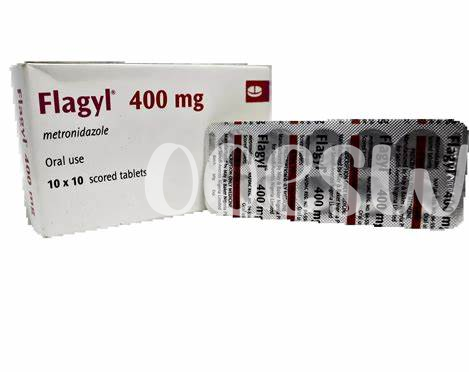
Microbes tell a quiet story of adaptation: under drug pressure they evolve enzymes that chemically modify or destroy antibiotics, and they swap genes across species like traders exchanging survival tools. Many anaerobes reduce uptake or pump compounds out via efflux systems, while mutations alter drug targets so molecules no longer bind. Crucially for prodrugs such as flagyl, changes in redox activation pathways prevent conversion into toxic intermediates, rendering therapy ineffective.
Biofilm communities create physical fortresses where reduced penetration and slow growth produce drug-tolerant persister cells, prolonging infections and facilitating resistance selection. Plasmids, transposons and integrons mobilize resistance determinants rapidly, while metabolic rerouting lowers reliance on antibiotic-sensitive pathways. Together these strategies create a mosaic of defenses that complicates susceptibility testing and clinical decision-making, demanding novel diagnostics and therapies to outpace bacterial innovation and preserve both environmental and human reservoirs for spread.
Clinical Fallout: Failed Treatments and Escalating Complications
Patients and clinicians increasingly face frustrating relapses when once-reliable regimens no longer clear anaerobic infections: courses of flagyl fail, symptoms persist, and empirical therapy requires escalation. What begins as a routine intra-abdominal or gynecologic infection can prolong hospitalization, demand intravenous combinations, and prompt imaging or drainage when abscesses form.
Escalation often leads to sepsis, organ dysfunction, and higher mortality in vulnerable patients, turning brief illness into prolonged convalescence. Broader-spectrum salvage regimens raise collateral resistance and side effects, forcing surgical intervention and ICU care more often. The ripple effects are practical and economic: readmissions, longer courses of parenteral therapy, and mounting costs that demand better diagnostics, stewardship, and investment in novel therapeutics and sustained research efforts.
Improving Detection: Rapid Tests and Laboratory Challenges

A lab bench hums as technicians chase elusive resistance markers, knowing timely detection changes treatment choices and patient outcomes and public trust, too.
Rapid molecular assays promise speed, yet sensitivity gaps and anaerobe culturing complexity slow adoption and complicate flagyl susceptibility interpretation in diverse healthcare systems.
Point-of-care tools could shorten time-to-targeted therapy, but validation, cost, and regulatory hurdles persist across varied clinical settings to guide antibiotic stewardship.
Bridging bench and bedside requires investment in robust assays, training, and surveillance networks to detect emergent resistance before outbreaks escalate globally and locally.
Next-generation Therapies and Promising Combination Approaches
Researchers are reimagining treatments to outmaneuver resistant anaerobes, blending new molecules with revived older drugs. Stories of clinical setbacks propel work on narrow-spectrum agents, bacteriophage adjuncts, and agents that restore flagyl activity by inhibiting resistance pathways.
| Approach | Benefit |
|---|---|
| Combination therapy | Synergy reduces failure |
Clinicians envision tailored regimens where rapid diagnostics guide precise pairings: small molecules with efflux inhibitors, localized delivery systems, or short courses that limit selection pressure. Early trials hint at safer, durable responses; policy and investment must accelerate translation so these promising combinations reach patients before resistance renders standard options obsolete. Integrating microbiome-preserving strategies, robust surveillance, and stewardship across hospitals, outpatient clinics, and communities will protect future treatment options from accelerating resistance threats.
Public Health Responses: Stewardship, Policy, and Surveillance
Imagine a hospital where a single ineffective prescription ripples into outbreaks; coordinated antibiotic stewardship programs curb misuse by auditing prescriptions, educating clinicians, and implementing tailored guidelines that preserve metronidazole efficacy.
Policy levers such as formularies, reimbursement rules and mandatory reporting incentivize appropriate prescribing and fund research into resistance trends, while national action plans align hospitals, regulators and pharmacies.
Robust surveillance networks combine genomic sequencing, wastewater monitoring and point of care data to detect emerging metronidazole resistance early, guiding targeted containment and informing clinical guidelines; public education campaigns complete the cycle by reducing demand for unnecessary antibiotics and preserving treatment options for future generations. International data sharing enables rapid response and equitable access to new therapies.