To Buy Imodium Online Visit Our Pharmacy ↓
 Imodium Misuse Dangers and Abuse Warning
Hidden Risks of Loperamide Overuse Revealed
A friend once mistook loperamide for harmless relief, taking extra doses during a desperate night. What felt like control quickly revealed hidden danger: toxicity builds silently and often progresses rapidly.
High doses can overwhelm cardiac ion channels, causing dangerous arrhythmias and fainting. These effects aren’t immediate and may escape detection until severe symptoms force emergency care, requiring prolonged medical monitoring.
Beyond the heart, excessive loperamide interacts with other drugs, stresses the liver, and can mimic opioid withdrawal or sedation, complicating diagnosis and delaying appropriate, potentially lifesaving treatment if unrecognized early.
| Risk | Key Sign |
|---|---|
| Cardiac toxicity | Palpitations, fainting |
| Drug interactions | Unexpected drowsiness |
Why High Doses Cause Life-threatening Heart Problems
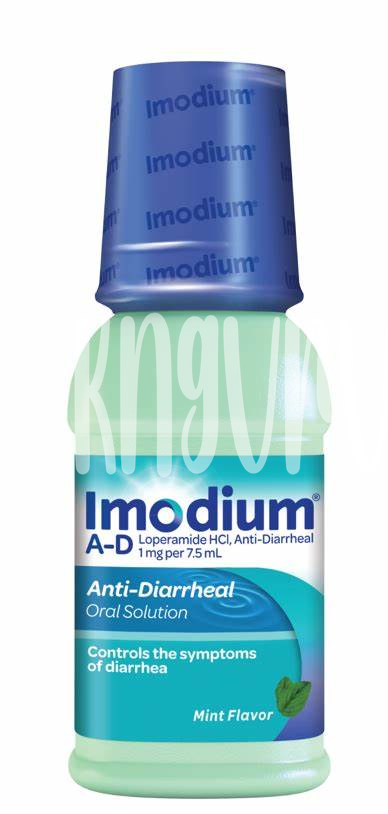
When a sleepless night of anxiety and aching gut drove Mark to swallow more imodium than recommended, he felt relief—and later, alarming palpitations. High amounts can block cardiac potassium and sodium channels, prolonging the heart's electrical reset and triggering dangerous arrhythmias such as torsades de pointes and ventricular tachycardia; this pharmacologic effect explains why seemingly harmless pills become lethal when misused.
Symptoms may emerge hours after ingestion and include dizziness, fainting, racing pulse, and sudden collapse; underlying heart disease, low electrolytes, or concurrent drugs that slow metabolism magnify the danger. Emergency evaluation with ECG monitoring, electrolyte correction, and sometimes antiarrhythmic therapy or pacing is essential. Understanding these mechanisms turns a clinical caution into a lifesaving reason to seek prompt care and avoid self-treatment with over-the-counter medications. Talk openly with clinicians and pharmacists to learn safer alternatives and proper dosing today.
Subtle Signs and Symptoms You Should Never Ignore
She reached for imodium, assuming safety, but small shifts followed: racing nighttime heartbeats, lightheadedness, and restless sleep. Those faint disturbances often precede serious complications — act quickly; seek medical help.
Look for faint palpitations, unexplained fatigue, or blurred vision; imodium cardiac toxicity may begin subtly. Tell your clinician about any off kilter sensations, even if they seem minor and persistent.
Don’t dismiss nighttime vomiting or fainting after taking over the counter doses; they can herald dangerous arrhythmias. Immediate evaluation, ECG monitoring, and honest medication history can save lives now promptly.
Why People Turn to Nonprescription Medications for Relief
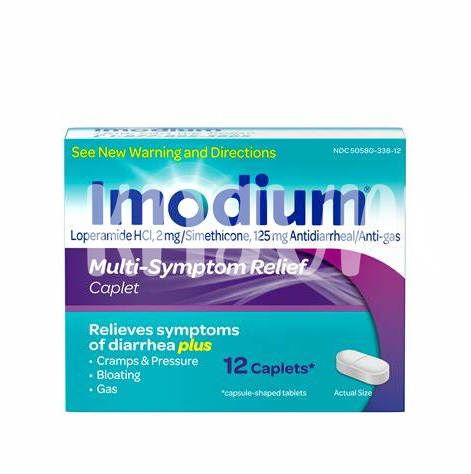
Loneliness and urgency drive many toward a quick, legal solution. imodium sits on pharmacy shelves and in bathroom cabinets, offering a private, cheap way to blunt gastrointestinal distress or opioid withdrawal without a doctor's visit. For many it's a familiar act learned from friends or internet tips, not a medical plan.
Stigma around addiction, long waitlists for clinics, and fear of judgment push people toward nonprescription options. The belief that 'over the counter equals safe' obscures risks; self-treatment often ignores dosing limits and dangerous interactions. Marketing and lax regulation create a false sense of control that eases decision-making.
Financial strain and immediate relief needs make the choice understandable, but education and accessible care would change trajectories. Harm reduction, better counseling, and clearer pharmacist guidance can redirect someone from risky self-medication to safer help. Immediate alternatives must be affordable and visible.
Treatment Paths Recovery Support and Medical Intervention
She realized the nightly imodium routine had become a dangerous crutch, and the shame of dependence finally pushed her to call a clinic. Clinicians discuss gradual tapering, symptom management and safe detox plans, while addressing withdrawal discomfort with nonopioid medications and behavioral therapies. Peer support and counseling help rebuild coping skills and reduce relapse risk.
In acute cases, emergency teams focus on stabilizing heart rhythm and electrolytes, often using continuous ECG monitoring and targeted treatments for arrhythmias. Coordinated care links cardiology, toxicology and addiction specialists to create individualized plans that combine medical intervention, therapy and aftercare — a roadmap from crisis to sustained recovery. Follow-up includes regular check-ins, medication review, peer support, and family involvement.
| Service | Role |
|---|---|
| ECG Monitoring | Detect and manage arrhythmias |
Prevention Strategies Policy Fixes and Pharmacy Safeguards
At the pharmacy counter a quick stock check and a quiet conversation can change outcomes; pharmacists who ask guided questions and flag unusual purchases often prevent harm before it starts. Simple red flags, repeated purchases or odd timing, merit follow-up conversations.
Regulators can tighten over-the-counter access with purchase caps, mandatory ID recording and clearer labeling, while insurers and clinics partner to ensure safer care pathways for people seeking relief. Data-sharing agreements and pharmacy audits back these rules.
Public education, pharmacist training and direct referral systems create a safety net; combining data monitoring with community outreach reduces stigma and channels those at risk toward treatment rather than crisis. Policymakers must fund accessible treatment and nonjudgmental support.