To Buy Pregabalin Online Visit Our Pharmacy ↓
 Pregabalin Withdrawal: Symptoms and Tapering Tips
Recognizing Early Signs Your Body Protests Stopping
The first time I tried to cut back, my body spoke in small shocks and restless nights; that gentle warning is common. Early signs often appear within days: insomnia, sweating, pins and needles, dizziness and a rebound of original pain. Noticing patterns matters.
Emotional shifts can arrive alongside physical cues, with sudden anxiety, irritability or low mood, often mistaken for life stress. Keep a simple symptom diary noting timing and severity; clinicians use that to tailor taper speed and supportive meds.
If sensations intensify, or you experience severe confusion, suicidal thoughts, or seizures, seek urgent care. For milder but persistent signs, contact your prescriber to adjust the taper and discuss non-drug supports that reduce relapse risk.
| Sign | Onset |
|---|---|
| Insomnia, sweating | Days |
| Pins and needles, dizziness | Days to weeks |
| Anxiety, mood swings | Days |
| Severe confusion, seizures | Urgent |
| When in doubt, call |
Emotional Turbulence: Mood Swings and Anxiety Spikes

When stopping pregabalin, people often describe sudden mood swings that feel like weather changing without warning; calm one hour, irritable or tearful the next. These shifts can be disorienting, making routine tasks feel heavy and amplifying small stresses into intense reactions that seem out of proportion.
Anxiety spikes may arrive with physical sensations, racing heart, restlessness, or dread, and can coexist with low mood. Plan ahead: share feelings with your clinician, use grounding techniques when panic rises, and consider short-term therapy or peer support to navigate the emotional turbulence safely.
Physical Symptoms Checklist: Sleep, Pain, and Balance
Coming off pregabalin can feel like stepping onto unfamiliar ground: nights that once offered rest become restless, with vivid dreams and repeated awakenings. Expect disruptions to sleep architecture—shortened deep sleep and more fragmentation—that amplify daytime fatigue. Pain levels may briefly flare as the nervous system rebalances, producing heightened sensitivity or odd tingling sensations. Recognizing these patterns helps you separate normal withdrawal reactions from complications needing medical attention and seek guidance.
Balance and coordination can also wobble; lightheadedness, dizziness, and unsteady gait are common during adjustment and can increase fall risk. Monitor symptoms closely, avoid hazardous activities when feeling off, and report severe or worsening signs to your clinician. Simple measures—hydration, gradual positional changes, and supportive footwear—reduce danger while the body recalibrates. Combining practical precautions with clear communication about symptoms speeds safer recovery and guides any necessary treatment changes with doctors.
Risk Factors That Make Withdrawal Harder to Manage
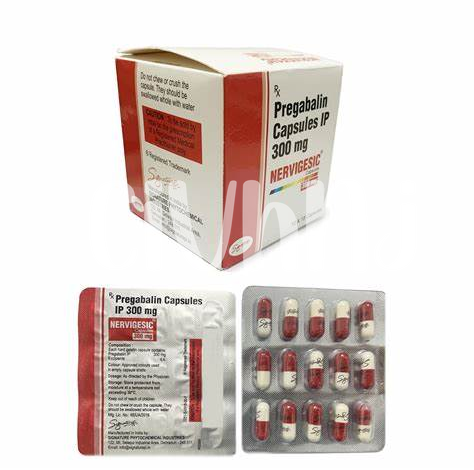
Some people find stopping a medication harder than expected; age, long-term use, and higher doses raise the stakes. Coexisting conditions like chronic pain, sleep disorders, or depression amplify discomfort. Prior withdrawal experiences and rapid cessation also predict tougher symptoms with pregabalin.
Social isolation, limited access to medical care, and substance misuse history complicate recovery. Medications taken together or genetic sensitivity can intensify reactions. A tailored plan, slow tapering, and clear communication with clinicians reduce risk and help transform a daunting process into a manageable path toward stability for lasting recovery.
Practical Tapering Strategies Your Doctor Can Tailor
During tapering, your clinician becomes a curator of gradual change, shaping a plan that respects your history with pregabalin and current symptoms. Many find reassurance when reductions are paced and reversible, not abrupt—like stepping down a staircase rather than leaping.
Typical approaches include small percentage decreases every one to three weeks, periodic assessments, and temporary stabilization if withdrawal signs intensify. Doctors may substitute longer-acting alternatives or prescribe short-term symptomatic medicines for sleep or nausea while monitoring blood pressure and mood closely.
Keep a symptom diary, report changes promptly, and ask about contingency plans. Personalized pacing, clear checkpoints, and strong communication reduce relapse risk and help make withdrawal a manageable chapter of recovery, and rebuild confidence.
| Step | Example |
|---|---|
| Small reductions | 10% every 1–3 weeks |
| Stabilize | Pause if symptoms worsen |
Coping Toolbox: Lifestyle, Therapy, and Support Networks
When withdrawal hits, small daily habits become anchors: consistent sleep, gentle exercise, hydration and balanced meals help stabilize mood and reduce cravings. Mindfulness practices and breathing exercises can interrupt spirals of anxiety, while structured routines give the recovering brain signals.
Professional guidance is vital — CBT for panic and medication adjustments made by your prescriber all shorten distress. Psychoeducation empowers you to understand symptoms as neurochemical shifts, not personal failure, and tracking symptoms helps clinicians tailor tapers.
Peer support groups and trusted friends provide emotional validation and practical help on especially tough days. Create a crisis plan, share it with someone, and schedule regular check-ins so setbacks feel like data in progress rather than defeat.