To Buy Valtrex Online Visit Our Pharmacy ↓
 Valtrex Vs Acyclovir: Which Antiviral Is Better?
Mechanism of Action: How Each Drug Fights Viruses
Think of the medicines as saboteurs sneaking into infected cells: one arrives primed, converting into the active molecule systemically, while the other needs activation after absorption. Both depend on viral thymidine kinase to start transformations that yield a DNA chain terminator, effectively blocking viral replication.
The practical result is higher oral bioavailability for one, producing greater blood levels and allowing less frequent dosing; the other’s lower absorption often requires multiple daily doses to maintain effect. Despite pharmacokinetic differences, both target viral DNA polymerase after activation and share similar resistance mechanisms.
| Drug | Prodrug/Activation | Primary Target | Oral Bioavailability |
|---|---|---|---|
| Valacyclovir (Valtrex) | Converted to acyclovir by first-pass metabolism; activated by viral thymidine kinase | Viral DNA polymerase (chain termination) | Higher (~55%) |
| Acyclovir | Active drug; activated by viral thymidine kinase | Viral DNA polymerase (chain termination) | Lower (~10–20%) |
Effectiveness and Clinical Uses Compared Side-by-side
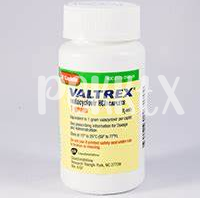
Clinicians often weigh valtrex and acyclovir by potency and convenience. Valtrex (valacyclovir) converts to acyclovir in the body, giving higher blood levels and less frequent dosing, which can produce faster symptom relief for herpes zoster and recurrent genital herpes. Acyclovir remains effective, particularly in severe or hospitalized cases where intravenous dosing is needed and cost concerns influence choice.
For suppression therapy valtrex’s simplified schedule improves adherence and reduces outbreaks frequency, while acyclovir’s lower price may favor long-term use despite more frequent dosing. Resistance emerges mainly in immunocompromised patients and requires specialist input; both drugs need renal adjustment. Choice depends on severity, setting, patient preference, and cost, balancing efficacy and practicality, with clinician follow-up and monitoring.
Dosing Convenience and Patient Adherence Differences
When life gets busy, simpler regimens win. Valtrex often offers once- or twice-daily dosing, letting patients stick to treatment without constant reminders.
Acyclovir typically requires multiple daily doses, which can be hard for shift workers or parents juggling schedules. Missed doses reduce antiviral effectiveness and may prolong symptoms. Simple pill schedules, clear instructions and phone reminders markedly increase the chance patients finish therapy correctly and consistently.
Clinicians weigh frequency, renal dosing and cost: fewer daily doses improve adherence but may raise expense. Both drugs need adjustments in kidney disease, so monitoring is important.
Ultimately, practicalities—pill burden, side effects timing, and patient routine—shape real-world success; choosing valtrex can simplify care, but individual factors guide the decision.
Side Effects, Safety Profiles, and Drug Interactions
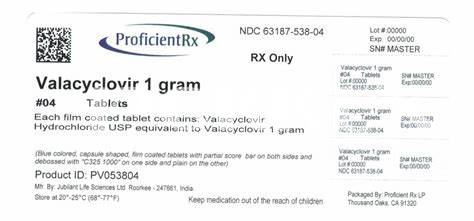
Every medication carries risks; with valtrex and acyclovir these typically involve nausea, headache, and rare kidney or neurologic effects. Risk rises with dehydration or preexisting renal impairment.
Dose adjustment is important because both clear through the kidneys; valtrex’s prodrug nature doesn’t change renal dosing needs. Immunocompromised patients may need monitoring for resistance.
Drug interactions are uncommon but include additive nephrotoxicity with other renal agents and interference with probenecid or cimetidine. Discuss all medications and supplements with your clinician to tailor therapy and reduce avoidable harms while weighing benefits versus risks.
Cost, Availability, and Insurance Coverage Considerations
Patients often feel caught between a familiar name and a cheaper generic. Out-of-pocket expenses, pharmacy stock, and insurer formularies shape real access, and for many the choice hinges on monthly cost as much as clinical benefit.
Valtrex is often pricier than generic acyclovir, but short courses or insurance copays can narrow that gap. Many formularies favor generics, so checking coverage, tier placement, and whether prior authorization is required can save substantial money.
| Drug | Typical 30-day retail | Insurance coverage notes |
|---|---|---|
| Valtrex (valacyclovir) | $50–$300 | Often higher copays and brand tier placement; may require prior authorization |
| Acyclovir (generic) | $10–$60 | Typically preferred on formularies with lower copays and wider pharmacy availability |
| Tip | Verify copays | Ask about coupons and programs |
Which Is Best for You: Decision Making Guide
Start by mapping your situation: infection type, outbreak frequency, severity, and kidney function guide whether potency or simplicity matters most in shared decisions.
If convenience and adherence are priorities, once‑daily valacyclovir (Valtrex) often wins; shorter courses improve compliance and lifestyle fit for many adult patients.
Acyclovir remains valuable for cost-sensitive situations, IV severe infections, or renal dosing flexibility; it’s proven, familiar, and widely stocked in many hospitals.
Discuss allergies, pregnancy, and drug interactions with your clinician; insurance coverage and personal priorities usually tip the scale toward one option over time.