To Buy Ventolin Online Visit Our Pharmacy ↓
 Ventolin Vs. Generic Albuterol: What's the Difference?
Active Ingredient Similarities and Chemical Equivalence Explained
Imagine opening a familiar inhaler and feeling relief start; that immediate comfort comes from the same active molecule in both brand and generic inhalers. Ventolin and generic albuterol contain albuterol (also called salbutamol) sulfate, the bronchodilator that relaxes airway muscles and provides rapid symptom relief.
Manufacturers may differ in inhaler design, propellants, or inactive ingredients, but regulators require generics to prove bioequivalence and comparable dose delivery.
That means most patients experience similar onset and benefit, though some notice slight differences due to device feel or excipients. Ask your pharmacist today.
Brand Inhaler Design and Delivery Device Differences
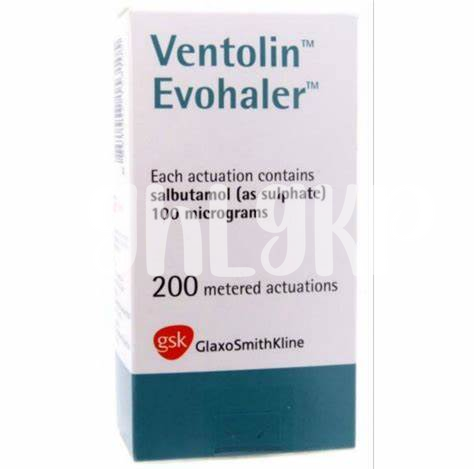
A patient reaching for ventolin knows the little plastic piece matters as much as the medicine. Brand inhalers often emphasize ergonomics, shape, grip, and mouthpiece fit to reduce user error.
Dose counters, valve mechanics, and actuator resistance vary between manufacturers; these small engineering choices influence spray force, plume shape, and ultimately how reliably a dose reaches the lungs consistently.
Generics may differ in mouthpiece seal, spacer fit, taste, or audible clicks that reassure users; these subtle cues affect adherence even when active medication and dose are identical.
Ask a pharmacist to demonstrate unfamiliar actuator, check priming instructions, and try a test spray into air; demonstration saves mistakes and builds confidence with whichever inhaler you use.
Cost Comparison: Copays, Insurance, and Savings
Choosing between brand-name inhalers and generics often feels like balancing a ledger and a rescue breath. For many, ventolin, a familiar name, fetches a higher pharmacy price, but insurance formularies usually place generics on lower tiers with smaller copays. Patients with high-deductible plans may still pay more initially, while those with coverage might see negligible differences. Manufacturer coupons, programs, and 90-day mail-order options can further shift real-world costs, and some pharmacies offer price matching or short-term trial savings periodically too.
Talk openly with your pharmacist about prior authorization, step therapy, and therapeutic equivalence—switching can save dozens to hundreds annually without sacrificing control. Ask whether your plan requires a specific National Drug Code, use generic-assist programs, or permits split fills to manage expenses. That pragmatic approach helps you keep therapy consistent, affordable, and focused on breathing easy rather than billing surprises.
Efficacy and Bioequivalence: What Studies Reveal
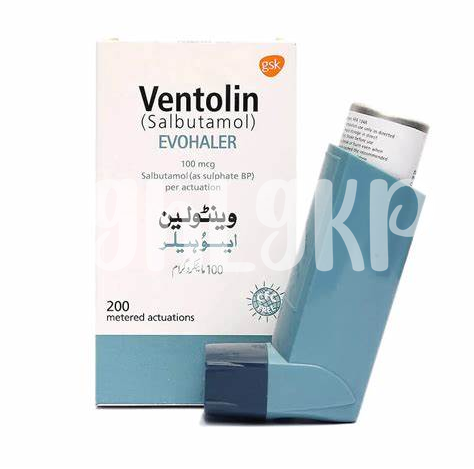
When researchers compare ventolin and generic albuterol, randomized trials and pharmacokinetic studies form the backbone of evidence. These investigations measure bronchodilation, time to relief, and FEV1 changes to determine whether clinical performance matches expectations consistently.
Regulators rely on bioequivalence thresholds — typically 80–125% for systemic exposure — but inhaled bronchodilators require lung-deposition and dose-delivery assessments. Pharmacodynamic endpoints and inhalation flow rates often influence equivalence conclusions in trials. So small variances can matter.
Clinical trials and meta-analyses generally find generics noninferior to brand inhalers, showing similar symptom relief and rescue use. However, some patients report subtle differences in onset, taste, or feel — often attributable to delivery technique variation.
For patients, the takeaway is pragmatic: switching between ventolin and a generic is usually safe, but monitor breathing, rescue inhaler use, and side effects. Check inhaler technique, device compatibility, and consult pharmacist if symptoms change.
Side Effect Profiles and Patient-reported Experiences
Patients often report jitteriness or a racing heart with ventolin or generics; severity varies. Anecdotes matter: timing, dose and anxiety can amplify perceived effects, so monitor symptoms closely regularly.
Common mild reactions:
| Symptom | Typical |
|---|---|
| Tremor | Common |
| Dry mouth | Occasional |
| Palpitations | Rare |
Patient reports also reflect placebo effects and inhaler technique. Using a spacer, checking expiration dates, and comparing delivery feels can reduce side effects and improve confidence over time for many.
Choosing Wisely: Pharmacist Advice and Practical Tips
Standing behind the pharmacy counter, a pharmacist often hears the same question: is Ventolin really different from generic albuterol? The short answer is usually no—both contain the same active ingredient and relieve bronchospasm—but practical differences matter. Ask your pharmacist about inhaler technique, spacer compatibility, and propellant type; small device variations can affect how much medication reaches your lungs. Request a demonstration if you’re unsure.
Also discuss cost-saving options like generic substitutions, coupons, or 90-day fills, but balance price with ease of use—if a brand device prevents missed doses it may be worth the copay. Keep a written action plan, track symptom patterns, and carry a labeled rescue inhaler. If you notice increased side effects or reduced control after switching, contact your provider promptly. A quick review every year ensures your inhaler matches your needs and lifestyle and treatment goals regularly.