To Buy Xenical Online Visit Our Pharmacy ↓
 Managing Xenical Side Effects: Practical Tips
Understand Common Gastrointestinal Reactions and Expected Duration
When you start a weight-loss medication, your body often signals change through the gut. Expect increased bowel frequency, oily spotting, and loose stools — common reactions as fat absorption drops. Knowing these are normal helps reduce worry and keep you focused on long-term goals.
Most side effects are strongest during the first few weeks while the body adapts. For many people symptoms lessen within two to four weeks; for others they may persist intermittently for longer. Tracking when and what you eat can reveal patterns and make it easier to discuss realistic expectations with your clinician.
If reactions continue beyond a month or significantly affect daily life, consider dose timing, dietary adjustments, or a temporary pause under medical advice. Small changes often yield relief, but persistent or worsening symptoms warrant prompt medical review to rule out other causes or consider alternative therapies.
| Symptom | Typical Duration |
|---|---|
| Oily spotting | 2–4 weeks |
| Loose stools | 2–6 weeks |
Adjust Your Diet to Reduce Oily Leakage Risks
I started by tracking meals and noticing which foods triggered oily stains; fried and creamy dishes were the usual suspects and snacks.
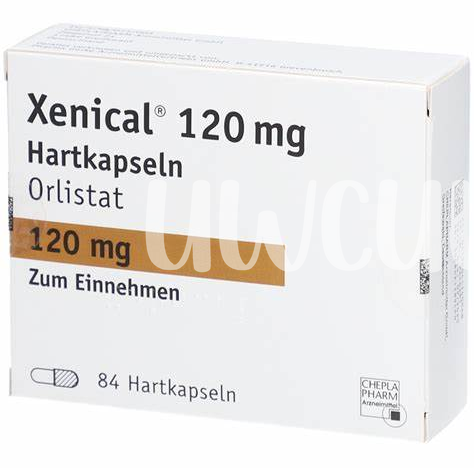
With xenical, limiting fat to about 15 to 30 grams per meal and choosing lean proteins made a big difference in comfort and confidence.
Swap full-fat dairy for low-fat options, roast vegetables instead of frying, and use olive oil sparingly to savor flavor without excess oil or dressings.
Carry discreet wipes and wear dark-underwear during early weeks; planning meals reduces surprises and helps you stick with treatment goals.
Timing Doses and Fat Intake for Best Tolerance
I learned to pair doses with meals, noting that consistent habits reduced surprises and helped me feel more in control of side effects.
With xenical, taking the pill during a meal containing a moderate amount of healthy fat improved effectiveness while limiting unexpected oily leakage.
I usually swallowed it during my main meal or within an hour after eating, avoiding extra snacks high in fat between doses.
Tracking fat grams and keeping meals predictable helped me tolerate the routine; consult your clinician confidently to tailor timing and fat limits safely.
Manage Bowel Urgency with Clothing and Bathroom Strategies

I remember an anxious morning when an urgent need surprised me; practical changes cut stress. Wear layered clothing and easy-open pants to stay confident, especially when taking xenical, which can increase sudden urgency risk daily.
Choose dark, patterned underwear and carry a discreet change of clothes in a small bag. Elastic waistbands and slip-on shoes speed exits. Pack flushable wipes and a sealable bag for used items to minimize embarrassment.
Scout restroom locations before outings and plan routes with frequent stops. Use apps that map facilities. If urgency strikes, breathe, sit to relax pelvic muscles, and avoid rushing which can worsen leakage and cramps sometimes.
Discuss patterns with your clinician to adjust dosing or timing; small dietary tweaks can help. Keep personal hygiene supplies accessible and practice quick-clothing drills at home so you react calmly and confidently in public situations.
Support Digestion with Fiber, Hydration, and Gentle Exercise
I started small changes after my doctor mentioned xenical, noticing that gentle habits eased my stomach. Adding gradual fiber kept meals steady and reduced sudden urgency without drama.
Drink water consistently; it softens stool and helps the body process fats made less absorbable. Aim for modest intake rather than chugging at once.
Walk after meals when possible: gentle movement stimulates digestion without stressing muscles. Fiber sources like oats, beans, and vegetables provide bulk and regularity.
Combine small changes over weeks and note responses. If side effects persist or you see alarming signs, consult your clinician promptly.
| Quick tips: soluble fiber, steady fluids, short post-meal walks, track symptoms, share logs and notes with your clinician regularly. |
Recognize Serious Warning Signs and When to Consult
Notice sudden severe abdominal pain, persistent bloody or black stools, high fever, or yellowing of skin and eyes — these signs warrant urgent medical evaluation and possibly emergency care for complications.
If you develop hives, facial swelling, difficulty breathing, or persistent vomiting with dizziness, seek immediate care. Also promptly report dark urine, pale stools or unexplained fatigue indicating possible liver injury.
Contact your prescriber promptly for severe or persistent symptoms, dehydration, or new neurologic signs. Bring a medication list and also be prepared to visit urgent care or emergency services immediately.